
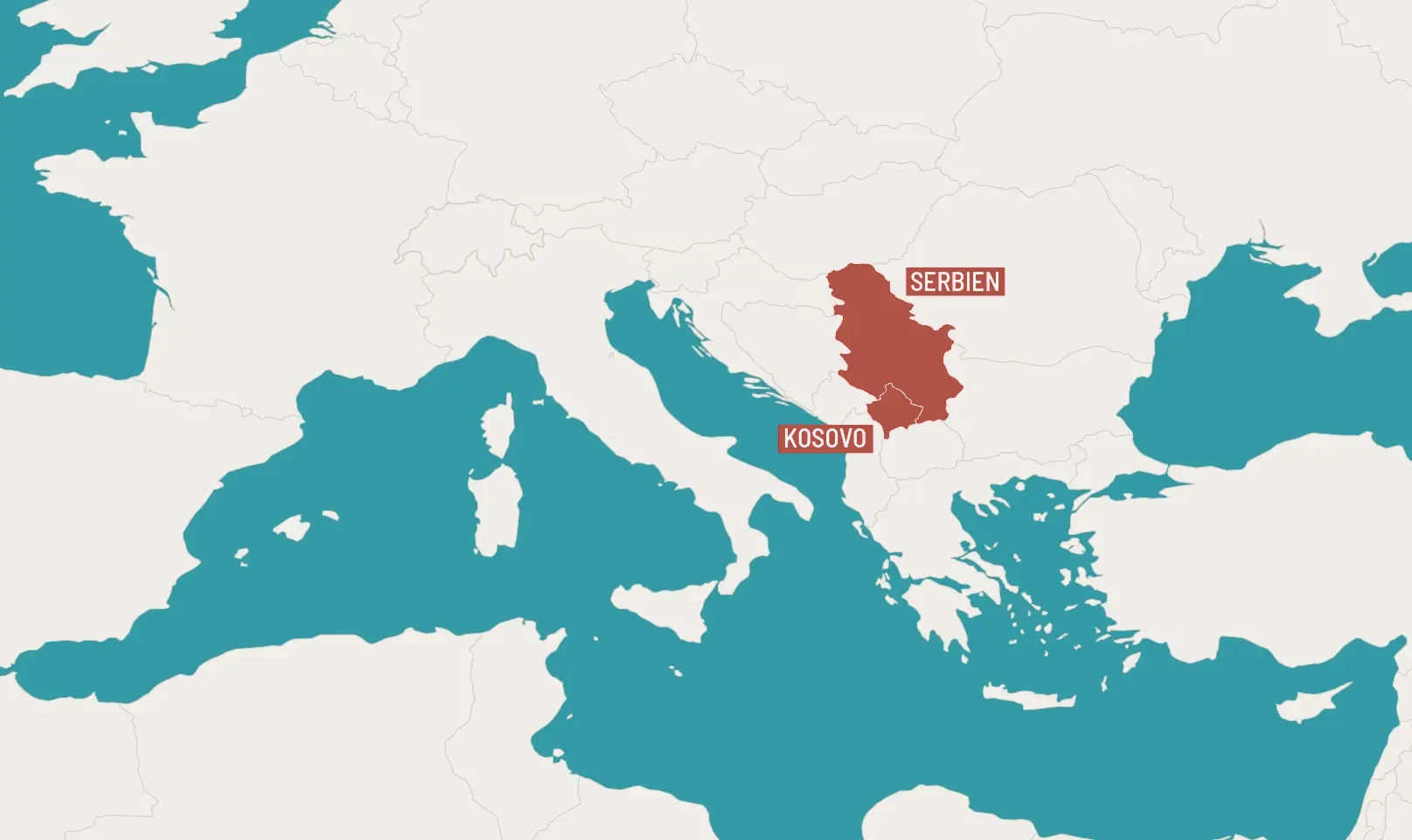
I am writing my Matura thesis on the 1999 Kosovo-Serbia conflict. I would like to conduct interviews with survivors of the war and, based on the results, identify a pattern to illustrate the methods of oppression. I’m well-versed in the history, but I’m struggling with how to analyse the personal accounts. What questions should I ask, and which ones should I avoid? And how can I then analyse these personal accounts and identify a pattern?
Dear Samoella Domgjoni,
You’ve asked a fascinating and important question. However, it’s not entirely straightforward to answer. Historiography and qualitative social research have developed various methods for analysing interviews. Furthermore, research is exploring how a guide for narrative interviews might be developed.
So you have set yourself some very big questions. University students usually take several courses to gain an understanding of these subject areas.
I would suggest you take inspiration from one or two introductory books on the subject. I find Julia Obertreis’s book on Oral History: Basic Texts from 2012 particularly helpful.
Many researchers base their analysis of interviews on Mayring’s content analysis. However, this is a very time-consuming method for a school-leaving thesis.
You could, however, use a slightly simplified approach and, for example, identify themes that recur consistently across all the interviews. Another option would be to focus on a limited number of themes that contrast sharply with one another. It is clear that you cannot cover every topic raised in the interviews in your project. However, it is certainly interesting to identify and group together a selection of topics that you consider particularly relevant.
I hope these thoughts have been of some help to you.
Kind regards,
Sonja Matter